Effective Osteopathy Techniques for Pain Relief
Updated: Jul 9
Pain can be a debilitating experience that affects every aspect of life. Whether it’s chronic back pain, joint discomfort, or tension headaches, finding effective relief is crucial. Osteopathy offers a holistic approach to pain management, focusing on the body's structure and function. In this post, we will explore various osteopathy techniques that can help alleviate pain and improve overall well-being.
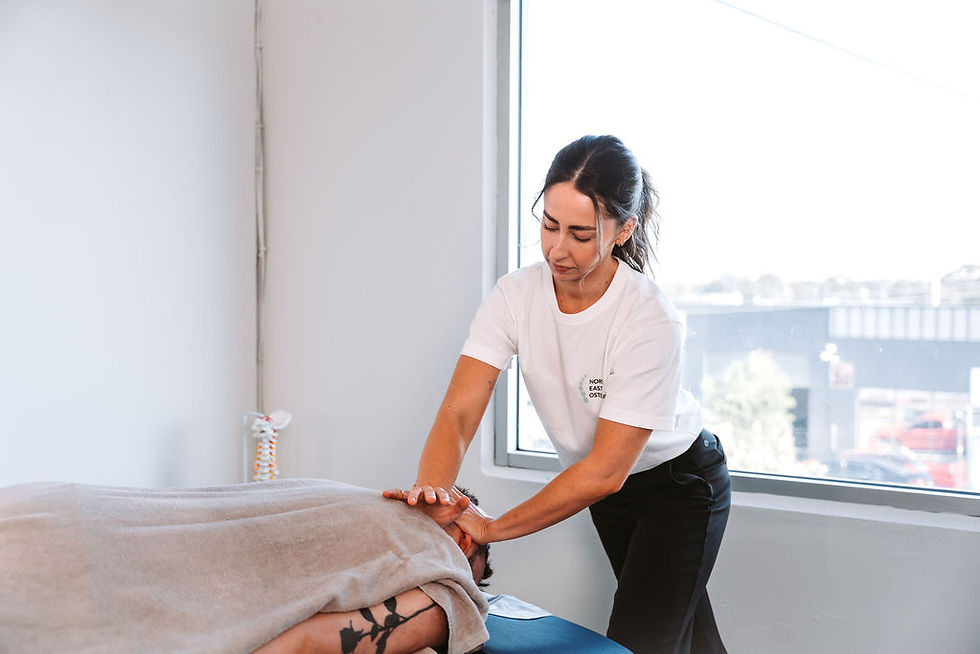
Understanding Osteopathy
Osteopathy is a form of alternative medicine that emphasizes the interrelationship between the body's nerves, muscles, and bones. Practitioners, known as osteopaths, use manual therapy to diagnose and treat various conditions. The philosophy behind osteopathy is that the body has an inherent ability to heal itself, and by addressing structural imbalances, osteopaths can promote healing and pain relief.
The Principles of Osteopathy
Osteopathy is based on four key principles:
The Body is a Unit: The body functions as a whole, and all systems are interconnected. Pain in one area can affect other parts of the body.
Self-Healing: The body has the ability to heal itself. Osteopathy aims to support this natural process.
Structure and Function: The structure of the body influences its function. Misalignments can lead to pain and dysfunction.
Holistic Approach: Osteopathy considers the physical, emotional, and environmental factors affecting health.
Common Osteopathic Techniques
Osteopaths employ various techniques to address pain and promote healing. Here are some of the most effective methods:
1. Soft Tissue Manipulation
Soft tissue manipulation involves the application of pressure to muscles, tendons, and ligaments. This technique helps to:
Reduce muscle tension
Improve circulation
Enhance flexibility
Osteopaths may use their fingers, hands, or elbows to apply pressure and stretch the affected areas. This technique is particularly effective for conditions like muscle strains and tension headaches.
2. Joint Mobilization
Joint mobilization is a technique that involves gentle movements of the joints to improve their range of motion. This method can help:
Alleviate stiffness
Reduce pain
Restore function
Osteopaths use specific movements to encourage the joints to move more freely. This technique is beneficial for individuals with arthritis or joint injuries.
3. Cranial Osteopathy
Cranial osteopathy focuses on the bones of the skull and the spine. This gentle technique aims to release tension and improve the flow of cerebrospinal fluid. It can be particularly helpful for:
Migraines
Sinus issues
Stress-related conditions
Practitioners use light touch to assess and treat imbalances in the cranial bones, promoting relaxation and pain relief.
4. Myofascial Release
Myofascial release targets the fascia, the connective tissue surrounding muscles and organs. This technique helps to:
Release tightness
Improve mobility
Alleviate pain
Osteopaths apply gentle sustained pressure to the fascia to encourage relaxation and restore normal function. This technique is effective for chronic pain conditions, such as fibromyalgia.
5. Visceral Manipulation
Visceral manipulation involves gentle manipulation of the internal organs to improve their function and relieve pain. This technique can help with:
Digestive issues
Pelvic pain
Post-surgical recovery
Osteopaths assess the movement of the organs and use gentle techniques to encourage optimal function, promoting overall health.
Conditions Treated by Osteopathy
Osteopathy can be effective for a wide range of conditions, including:
Back Pain: Osteopathy can help alleviate chronic and acute back pain through various techniques that address muscle tension and spinal alignment.
Neck Pain: Manual therapy can relieve tension in the neck and improve mobility.
Headaches: Osteopathic techniques can reduce the frequency and intensity of tension headaches and migraines.
Joint Pain: Osteopathy can help manage pain in the knees, hips, and shoulders through targeted joint mobilization and soft tissue manipulation.
Sports Injuries: Osteopathy can aid in recovery from sports-related injuries by addressing muscle imbalances and promoting healing.
The Benefits of Osteopathy
Osteopathy offers numerous benefits for individuals seeking pain relief and improved health. Some of the key advantages include:
Personalized Treatment: Osteopaths create individualized treatment plans based on each patient's unique needs and conditions.
Holistic Approach: By considering the whole body, osteopathy addresses the root causes of pain rather than just the symptoms.
Non-Invasive Techniques: Osteopathy uses gentle, hands-on techniques that are generally safe and well-tolerated by patients.
Improved Mobility: Many patients experience increased flexibility and range of motion after osteopathic treatment.
Enhanced Well-Being: Osteopathy can promote relaxation and reduce stress, contributing to overall health and wellness.
What to Expect During an Osteopathic Session
If you are considering osteopathy for pain relief, here’s what you can expect during your first session:
Initial Consultation: The osteopath will conduct a thorough assessment, including a review of your medical history and a physical examination.
Treatment Plan: Based on the assessment, the osteopath will develop a personalized treatment plan tailored to your needs.
Hands-On Treatment: The osteopath will use various techniques, such as soft tissue manipulation and joint mobilization, to address your specific issues.
Follow-Up: After the session, the osteopath may provide recommendations for exercises or lifestyle changes to support your recovery.
Finding a Qualified Osteopath
When seeking osteopathic treatment, it’s essential to find a qualified practitioner. Here are some tips for choosing the right osteopath:
Check Credentials: Ensure the osteopath is licensed and has completed the necessary training.
Read Reviews: Look for patient testimonials and reviews to gauge the practitioner's effectiveness.
Ask Questions: Don’t hesitate to ask about their approach, techniques, and experience with your specific condition.
Trust Your Instincts: Choose an osteopath with whom you feel comfortable and confident.
Conclusion
Osteopathy offers a range of effective techniques for pain relief, focusing on the body's natural ability to heal itself. By addressing structural imbalances and promoting overall well-being, osteopathy can help individuals regain their quality of life. If you are struggling with pain, consider exploring osteopathy as a viable option for relief. Take the first step towards a pain-free life by consulting a qualified osteopath today.


Comments